

The Scariest Number in Your Business Is the One You Can’t See#
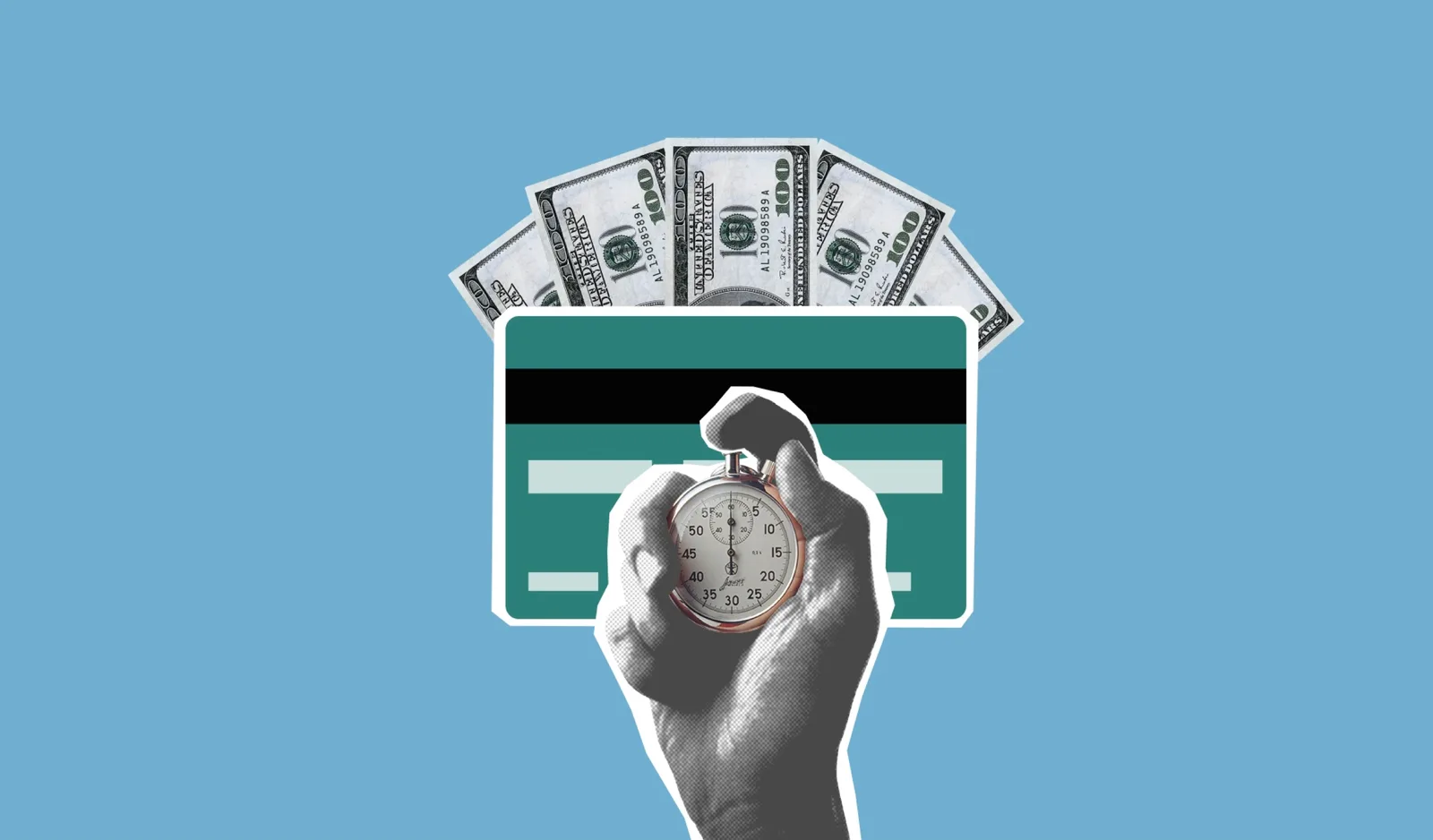
The scariest number in your business isn’t your burn rate: It’s the revenue you’re losing to failed payments, and you don’t even know it.
If that hit home, welcome. This is our very first blog post, and we’re genuinely glad you’re here. We’ve been in private beta for a while, working with a handful of Nigerian e-commerce and SaaS businesses that are already recovering revenue they didn’t know they were losing. We figured it was time to start writing about what we’re learning.
Thank you for reading our first post. We hope you stick around.
Why we started Kwugwo#
My name is Sandra. I’m the co-founder of Kwugwo, and I’ve been the founder checking Paystack at 11 PM, wondering why today’s sales didn’t match the traffic.
Not because our marketing was bad or our pricing was wrong, but because payments fail silently. And when you use only one provider, you have no idea how many customers hit an error page and leave.
We built Kwugwo to fix exactly that: one dashboard, multiple payment providers, and automatic failover when one goes down. Your customer never sees an error. You never lose the sale.
No code. No developers. Set up in 20 minutes.
What this blog is for#
This won’t be a corporate announcement board. No press releases about “strategic partnerships” and “market expansion.”
Instead, we’ll write about what we actually see in the market:
- The real cost of payment failures (with actual numbers)
- How to audit your payment stack without a CTO
- What our beta merchants are learning about routing, reliability, and revenue recovery
- The unglamorous infrastructure work that actually moves the needle
If you’re a founder whose business depends on digital payments, this is for you.
If you’re here for “disruptive fintech innovation” and AI-powered blockchain synergies, you’re in the wrong place. We do one thing: we make sure your payments work.
What to expect next week#
We’re publishing a four-week content series starting now. Here’s the arc:
Week 1: How to increase revenue without chasing more traffic — the levers most Nigerian online businesses ignore.
Week 2: Why your business might not be making the money it should — an honest diagnostic.
Week 3: The silent leak eating into your sales — and why payment failures are invisible by design.
Week 4: How to 10x your revenue — but only after you fix the leaks.
Each post will be practical, specific, and written for business owners without engineering teams.
We’re building this in public. If you have a question about payment orchestration, provider reliability, or why your checkout conversion rate is lower than it should be, reply to any of these posts, or DM me directly.
If you want to see what we’re building, join the Kwugwo beta. We’ll run a free payment health check on your store and show you exactly where revenue is leaking.
Thanks again for reading our first post. More on Thursday.
— Sandra